Most People Don't Want a Website Builder. They Want a Website.
Most website builders still ask people to build. But what most users really want is a finished website they can edit, improve, and publish.
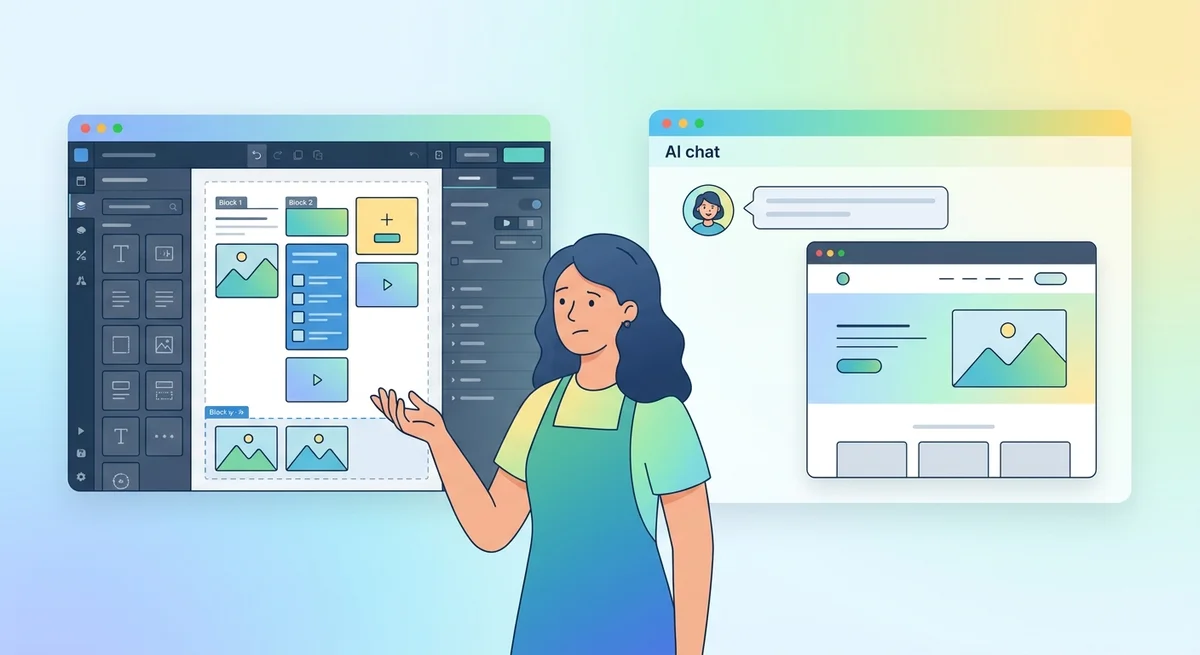
Most people who sign up for a website builder are not excited about building a website.
They are excited about having one.
That sounds obvious, but it explains why so many website tools still feel harder than they should. They give you templates, sections, blocks, fonts, colors, layouts, image placeholders, forms, menus, settings, and integrations. All of that can be useful. But it also means the user still has to make dozens of decisions before they get anywhere close to a website they feel proud to publish.
The promise is simple: "Build your website."
The reality often feels like: "Here are all the parts. Good luck."
For designers, marketers, and technical people, that can be fine. They know what a hero section should say. They understand what makes a good call to action. They can look at a template and imagine how to reshape it around a business.
But most people are not starting from that place.
A yoga teacher does not necessarily know how to structure a homepage. A local service business might not know what to say above the fold. A freelancer may have a portfolio, but not a clear offer. An event organizer might know the vibe of the event, but not how to turn that into a page that makes people register.
The hard part is not always the software.
The hard part is translating an idea into a clear website.
That is why the next step in website creation is not just better drag-and-drop tools. It is a different starting point.
Instead of asking the user to choose a template, the product should ask what they are trying to create. Instead of making them arrange sections manually, it should create a strong first version. Instead of forcing every edit through menus and settings, it should let them say what they want changed.
- "Make it feel more premium."
- "Add a section for pricing."
- "Rewrite this for small business owners."
- "Make the page shorter and more direct."
- "Add a stronger call to action."
That is a much more natural way to build, because it matches how people already think. They do not think in components. They think in goals.
A website builder gives people tools.
A website creation assistant gives people momentum.
Momentum matters because the first version is usually the biggest barrier. Once a website exists, it is much easier to react to it. You can look at it and say what feels wrong. You can remove sections, change the tone, add details, or ask for a different direction. But staring at a blank canvas and trying to make every decision from scratch is where many people get stuck.
The best website experience should feel less like assembling furniture and more like working with someone who understands what you are trying to make.
You describe the idea. The first version appears. You refine it. You publish when it feels right.
That does not mean templates are useless. Templates are great when you already know what you need and simply want a visual starting point. But for many people, the template is not enough. They still need strategy, writing, structure, and editing.
They need a website, not just a builder.
This is the shift Nibemo is built around: start with a conversation, get a real website draft, and keep improving it in plain language.
Because most people do not wake up thinking, "I want to use a website builder today."
They think, "I need a website."
And the product should meet them there.
Related blogs
Related Post
Expand your knowledge with these hand-picked posts.
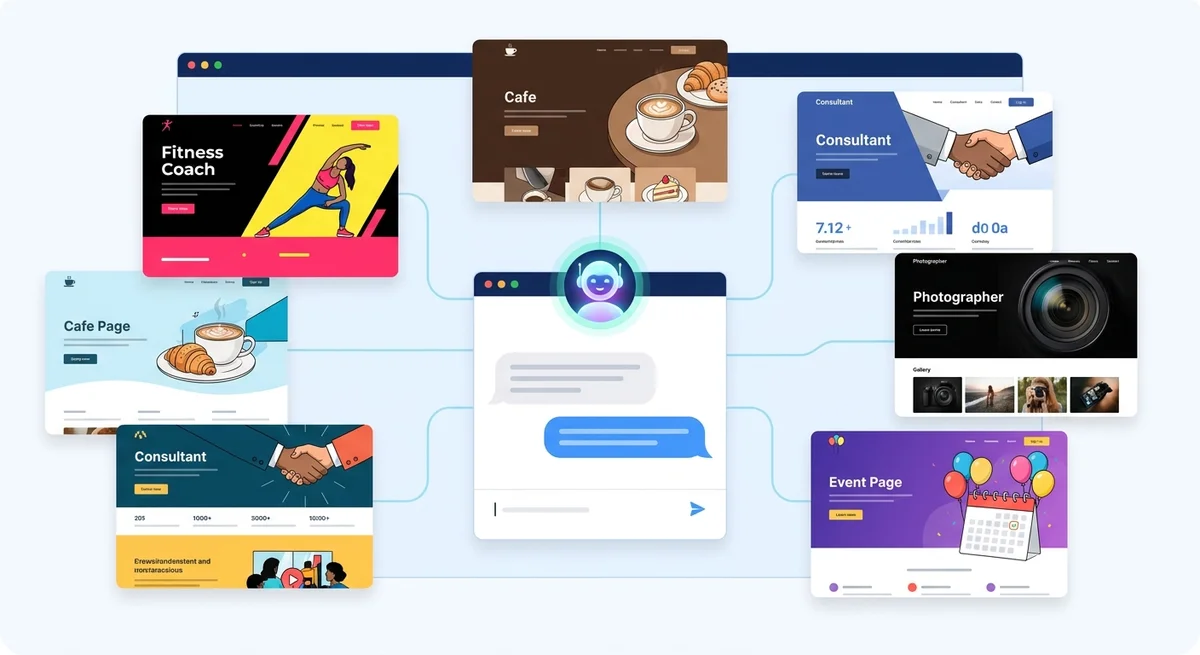
We Asked AI to Build Websites for 5 Different Businesses. Here's What Happened.
What happens when AI creates websites for different types of businesses? We tested five examples to see where AI helps most in the website creation process.
Nibemo Team
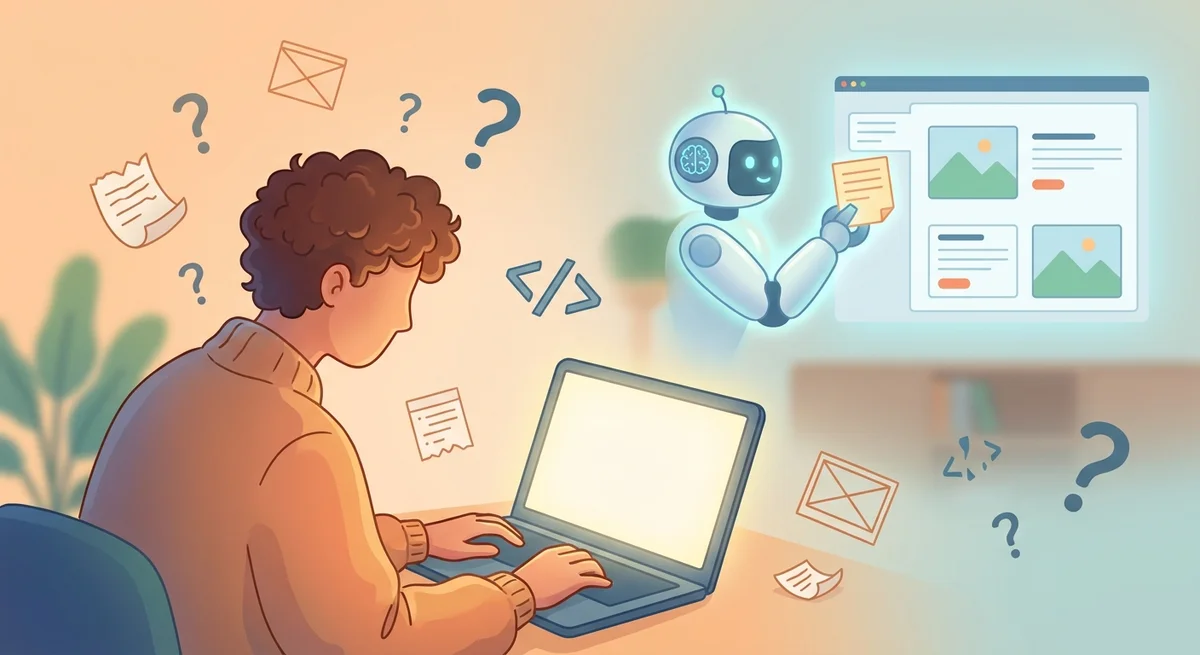
The Blank Page Is the Real Enemy of Building a Website
The hardest part of creating a website is often not design or code. It is knowing what to say, where to start, and how to turn an idea into a clear page.
Nibemo Team
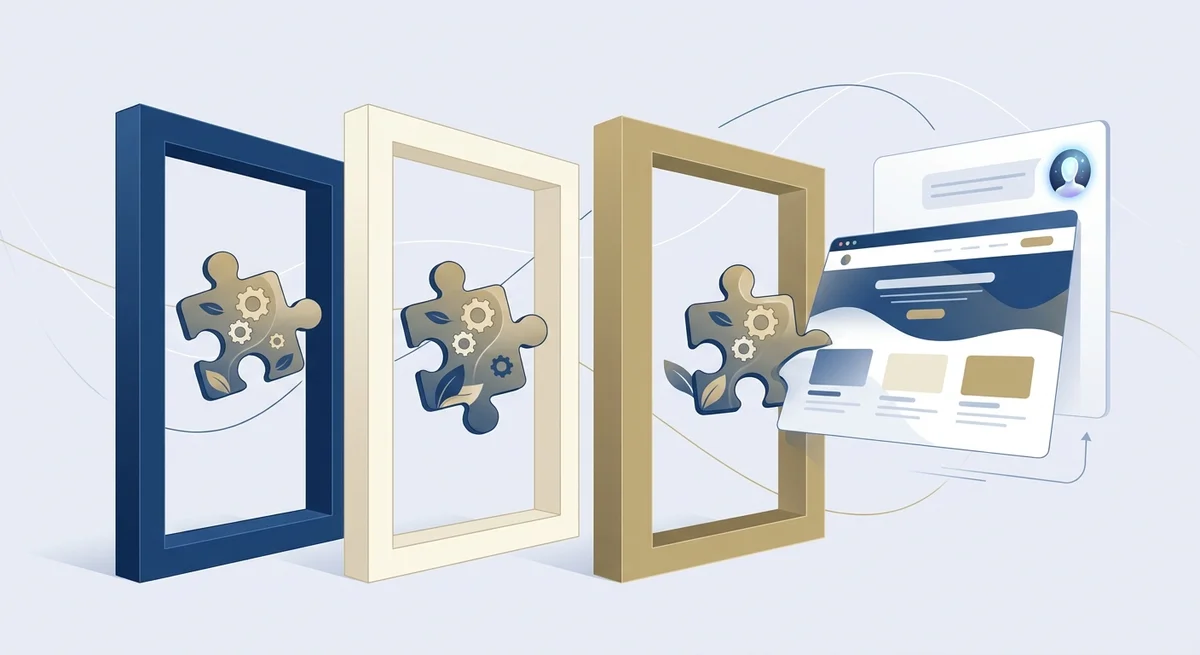
Templates Are Great Until Your Business Doesn't Fit One
Templates look perfect in demos, but real businesses are messy. Here is why starting from a conversation can work better than forcing your idea into a template.
Nibemo Team
Your website is one sentence away
Describe your business and Nibemo builds it a real, ready-to-publish website in minutes. Free to start - no signup to try.